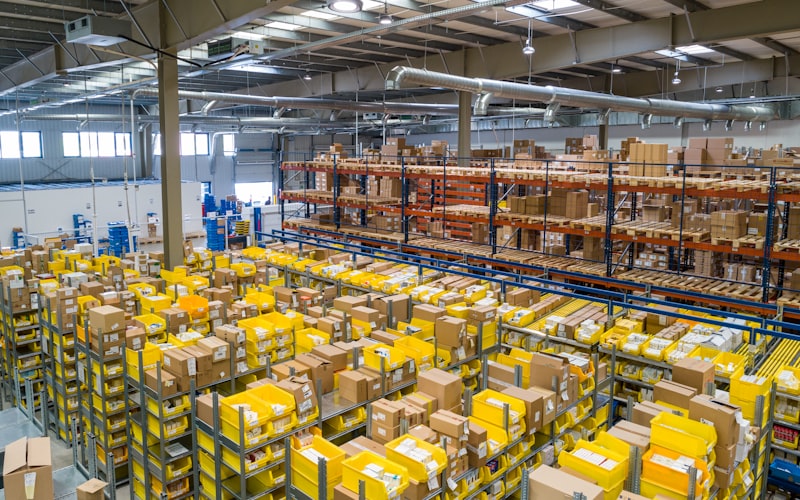
Optimizing Supply Chain Resilience Amidst Geopolitical Shifts
Rethinking Global Supply Networks
The era of hyper-optimized, just-in-time supply chains has given way to a new paradigm that prioritizes resilience and agility. Recent geopolitical tensions, extreme climate events, and shifting trade policies demand a fundamental restructuring of how global operations are managed and executed.
Core Strategies for Resilience
To build a supply chain capable of withstanding modern shocks, leaders must adopt a multi-faceted approach:
- Nearshoring and Friendshoring: Relocating critical production nodes to politically stable, geographically proximate regions to reduce transit times and tariff risks.
- Supplier Diversification: Moving away from single-source dependencies. Companies must build multi-tiered, redundant supplier networks so that a failure in one region does not halt global production.
- Digital Twins: Implementing advanced simulation models to create a virtual replica of the supply chain. This allows companies to stress-test their networks against various disruption scenarios and optimize routing in real time.
By investing heavily in these strategies, organizations can transform their supply chains. What was once a potential vulnerability becomes a core strategic asset, capable of weathering global volatility and ensuring consistent delivery to customers.